
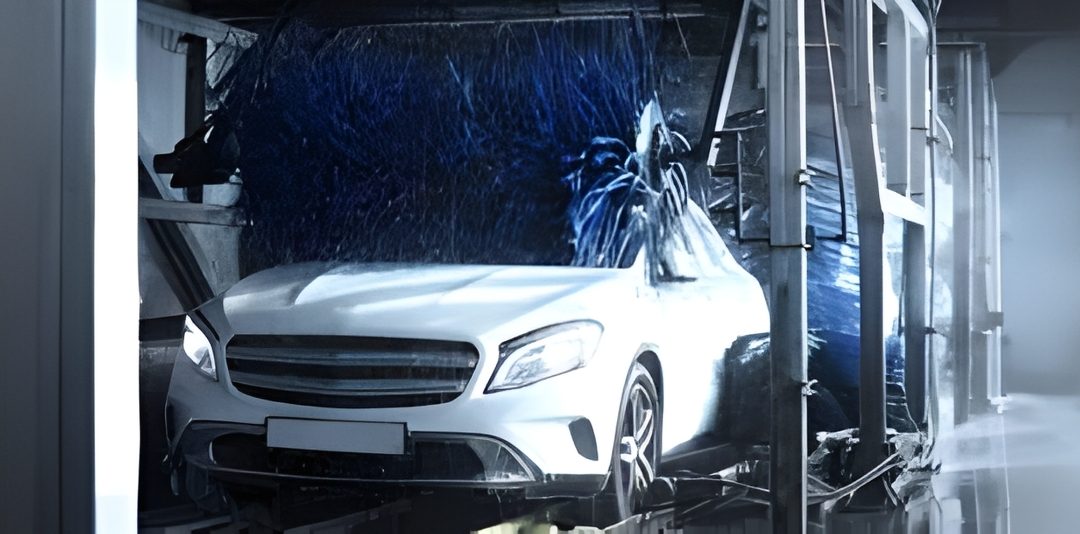
Spring in 2026 has arrived with its usual mix of beautiful blossoms and unpredictable weather. While it feels like the perfect time for a fresh start, your vehicle is quietly entering its most vulnerable season. The transition from the harsh residues of winter to the “yellow plague” of spring pollen creates a unique set of chemical challenges for your car’s finish. If you are wondering how often you should visit a professional facility this season, the answer isn’t just about keeping things shiny; it’s about preserving your vehicle’s structural integrity and resale value. Maintain your vehicle’s value with a regular car wash this spring. Our guide details how to remove acidic pollen and mud to protect your paint and exterior.
The Expert Recommendation: The 10-Day Rule
For most drivers, the recommended frequency for a professional car wash during the spring months is every seven to ten days. While a bi-weekly schedule might suffice in the summer or autumn, spring demands a tighter window. This frequency is specifically designed to combat the “stacking effect” of seasonal contaminants.
If you wait longer than ten days, the combination of acidic rain and sharp pollen grains can begin a process called etching. This is where contaminants eat into your clear coat, leaving permanent marks that a simple cleaning can no longer fix. Staying consistent with a weekly or ten-day routine ensures that layers of grime do not have the opportunity to bond permanently to your exterior surfaces.
Stripping the Winter “Salt Shield”
The first and most critical reason for a high-frequency spring routine is the removal of leftover road salt and brine. Even if the snow has melted and the roads appear clear, salt remains trapped in your wheel wells, suspension components, and subframe.
Salt is naturally hygroscopic, meaning it attracts moisture from the air. As spring humidity rises and the temperature fluctuates, any trapped salt becomes highly corrosive. Your initial spring cleaning sessions must include a high-pressure undercarriage flush to neutralize these hidden threats. Following up with consistent visits for the first month of the season ensures that any salt kicked up from dry, dusty roads is cleared away before it can trigger oxidation or rust on the metal components of your vehicle.
The Science of Pollen Damage
Many drivers view pollen as a harmless yellow dust, but in the industry, it is often referred to as “microscopic sandpaper.” Pollen grains are actually tiny, spiky spheres designed to hook onto surfaces. If you attempt to wipe pollen off a dry car with your hand or a standard cloth, those spikes can create thousands of micro-marring scratches across the clear coat.
Furthermore, when pollen gets wet, whether from a light spring shower or morning dew, it releases an acidic enzyme. This acid is designed to help the pollen burrow into surfaces, and it is remarkably effective at deteriorating automotive finishes. If you notice a heavy yellow film accumulating on your vehicle, it is best to perform a thorough rinse within forty-eight hours to ensure these organic acids do not have time to sit and react with the paint.
Managing Tree Sap and Organic Debris
Spring is the peak season for biological activity. Birds are migrating, and trees are in a high-growth phase, frequently releasing sticky resins and sap. These organic materials are much more dangerous to your paint than standard road dirt.
Bird droppings are highly acidic, and in the intensifying 2026 spring sun, a single spot can etch into your paint in a matter of hours. Similarly, tree sap acts like a powerful adhesive. Once it hardens, it becomes a physical part of your paint’s surface, often requiring specialized chemical solvents to remove. If you frequently park under trees, you may need to increase your cleaning frequency to twice a week to ensure organic contaminants don’t bond to the paintwork.
Environmental Factors and Frequency Adjustments
While the ten-day rule is a solid baseline, your specific environment might require an adjustment to your maintenance schedule. For example, vehicles parked outdoors 24/7 are exposed to constant UV rays and falling debris, requiring more frequent attention than those kept in a climate-controlled garage.
Drivers in coastal regions face the added challenge of salt air, which accelerates corrosion even without road salt. Conversely, a vehicle that is rarely driven and kept covered may only need a cleaning every two weeks. However, even low-mileage vehicles should be inspected regularly, as dust and moisture can still accumulate in hidden areas, leading to long-term finish degradation if left unaddressed.
Debunking the “Rain Wash” Myth
One of the most common mistakes drivers make in the spring is assuming that a heavy rainstorm counts as a natural cleaning. In reality, rain is often a primary source of contamination. As rain falls, it picks up atmospheric pollutants, dust, and smoke particles.
When the rain stops, and the sun emerges, the water evaporates, leaving behind concentrated mineral deposits and “acid spots.” Furthermore, rain does nothing to clean the salt and grime from your wheels or underbody; in fact, it provides the exact moisture needed for that grime to start corroding the metal. It is always best practice to clean your car after a rainstorm to remove the mineral film left behind by the evaporating water.
Integrating Car Detailing for Long-Term Defence
While a standard wash is focused on the “cleaning” phase, long-lasting protection comes from a comprehensive car detailing mindset. Applying a protective layer significantly reduces how often you actually need to wash by making the surface hydrophobic, or water-repellent.
In 2026, many modern soaps are infused with ceramic particles (SiO2). These provide a temporary barrier that makes it difficult for pollen and sap to stick to the surface. Additionally, interior maintenance is vital to the spring transition. Spring is peak allergy season, and a complete detail should involve vacuuming and steam-cleaning the upholstery to remove pollen tracked in on clothing and shoes. Replacing your cabin air filter during your first spring service is also highly recommended to keep the air inside your vehicle healthy and free of allergens.
Final Steps for a Protected Finish
To get the most out of your spring routine, ensure you follow a systematic approach. Always start with a thorough pre-rinse using only water to move loose grit away before any physical contact is made with the paint. Ensure the wheel arches and subframe get a deep flush to remove the last residues of winter.
Finally, never let the vehicle air-dry in the sun. Use a clean microfiber towel or an air blower to remove standing water, as air-drying is the primary cause of permanent water spotting. Following these expert steps will ensure that your vehicle enters the summer months with its paintwork fully intact and its surfaces protected against the unique rigors of the spring season.
Conclusion
So, how often should you get your vehicle cleaned in spring? To maintain the best balance of protection and practicality, the experts at GS Car Wash recommend a thorough cleaning every seven to ten days. By staying consistent during these critical transitional months, you prevent the accumulation of acidic organic matter and remove the final traces of winter corrosives that can eat away at your clear coat. A small investment in this weekly routine prevents the need for expensive paint correction and structural repairs in the future. Regular professional care is the most effective way to keep your vehicle looking and performing like new throughout 2026. Ready to protect your investment? Visit GS Car Wash to start your spring maintenance routine today.